
Morocco offers a spectacular blending of European, African, Jewish, Berber, Islamic and Arab influences. Fascinating landscapes include splendid snow-capped mountains, unspoiled beaches. Vast stretches of Oasis, Berber fortress. The green river valleys and labyrinth of ancient cities. The markets in the cities are a wealth of beautifully designed handicrafts. Traditional Kasbahs and riads, are restored for offering them. Furthermore hidden guesthouses which can be basic and also luxurious.
Taste the signature Moroccan cuisines. Like tagines with vegetables or chickens flavoring rich spices like cumin. Including garlic coriander and saffron and full-flavored harira soup of lamb. Flat bread is the staple food of the Moroccan diet. Best Morocco tour packages always provide all these enjoying items.
You can find additional tours by following the link below.

Morocco is one of the ancient kingdoms, belonging to the pre-historical times. Immigrants from the east joined the already existing traditional. It turned into ancestors of Berber cultures. They occupied the Rif Mountains from Neolithic age. Roman Empire acquired control of the west on the northern part of Morocco. Then joined the Berber customs, after they defeated Carthage 146 BC. Vandals were the first to invade Morocco and later on in 7th century. Arabs invaded the country and introduced Islam in Morocco. In the subsequent centuries, a number of ruling dynasties became powerful. These dynasties included the Idrissids, the Almoravids, the Almohads, and the Merinids. However, none of them were capable of upholding the support of Berber leaders.
We guarantee quality service in all aspects of services. With us, you will further have the peace of mind for meeting all your travel needs while maintaining proper privacy factors. Then ensuring a truly memorable holiday. We welcome you enthusiastically with open arms to Stunning Morocco!cultures
Explore The Best Places

Portugal and Spain intruded into Morocco by 15th century, after they have debarred Moors from their homelands. Morocco was able to repulse all these invasions successfully. The European imperialism was too powerful to repel. By mid of 19th century, the European powers started to feel the strategic importance of Morocco and these powers. Further began struggling among themselves for the possession of Morocco. Finally, in the year 1911 France formally became the protector. Ruler of the country and Spain received a few isolated locales.
In 1953 the rule of French ended yet, it has left its cultural influences over Morocco till date. At present, King Mohammed VI rules the country. He seems to be highly popular. He has also solved few fundamental issues to bring long term stability to Morocco, as well as to increase its economic prosperity.
Berbers are the native ethnic group of people residing in North Africa. They were the light skinned people who were given several names. But actually they were the Arabs who were popularly known as the Berbers. They were also called by the name of Amazigh. They have lived in Morocco for around 4000 years. Their tendency was to stay in the desert and the mountainous regions. During 9th and 10th centuries Islam was introduced to Berbers. Before this time, Berbers in Africa were mostly Jewish or Christians. Almoravids and Almohads are the two great Islamic dynasties of the Berbers, who ruled large parts of Spain and northwest Africa.

Today the Berbers of Morocco mostly live in the mountain regions. Although these days small shops are run, owned and operated by the Berbers. They are even seen to take commercial endeavors. Nomadic Westerners are also categorized as Berbers. They rode on camels for crossing the Sahara desert and they were either traders, farmers in the early times. They were mainly engaged with goods, transportation to the northern cities of Morocco beyond the desert landscape. Best Morocco tours packages allow you to experience the culture and tradition of Berbers.





Moroccan Arabic is the dominating language that is spoken in the region. Besides this, there are other three languages of the Amazigh Berber. Tarifit used in northern Rif, Tamazight in eastern High Atlas and Middle Atlas and Tashlhyt in western High Atlas, Sous Valley and Anti-Atlas. French is also commonly used in the country, especially amongst the schooled Moroccans.
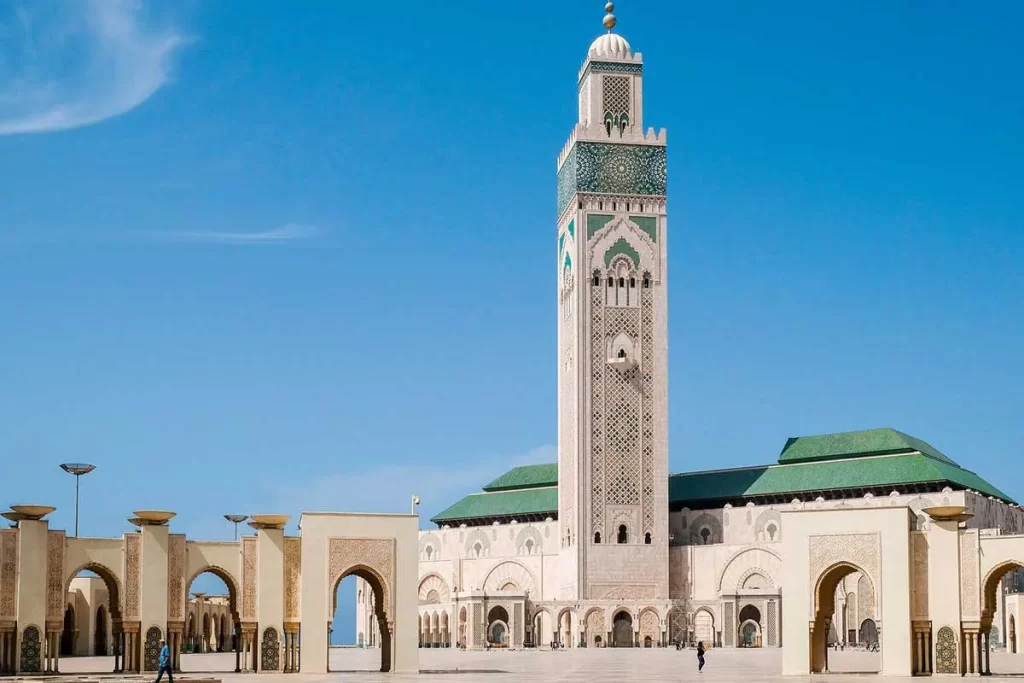
Predominantly Morocco is a Sunni Muslim country, with minority sections of Christians and Jews, Berbers, Arabs, Moors, Jews. the French have strongly influenced the culture of the country. It is the unity of the diversities. Moroccans show equal hospitality to Muslims as well as non-Muslims. Although they don’t allow non-Muslims to have access to Islamic religious monuments. There are also exceptions to the custom, where visitors are allowed to enter the most formidable shrines of Morocco, like Hassan II Mosque in Casablanca. This newly built shrine stands third amongst the largest monuments across the world.
Atlantic and Mediterranean fence the country and High and Middle Atlas diagonally bisect it. Thus, there is great variation in Morocco’s climate by locale and season. During summer, day temperature is extremely high but the night is pleasantly cool. In the high altitudes of the mountain regions, evenings during summer are cool. During winter the weather condition is mild, except in mountains where the temperature is freezing. There is short supply of water, March and November experience rainfall.
Q1: Which travel agencies are going to Morocco?
Although many international operators offer group tours, for an authentic and hassle-free experience, the best option is to book with a licensed local expert. Morocco Desert Tour (run by ADT Tourism Agency — certified by the Ministry of Transport) focuses on personalized, quality excursions. They arrange everything from 4×4 transport and multilingual guides to nights in traditional desert camps, ensuring that your visit is safe and individualized.
Q2: Can I safely visit Morocco in 2026?
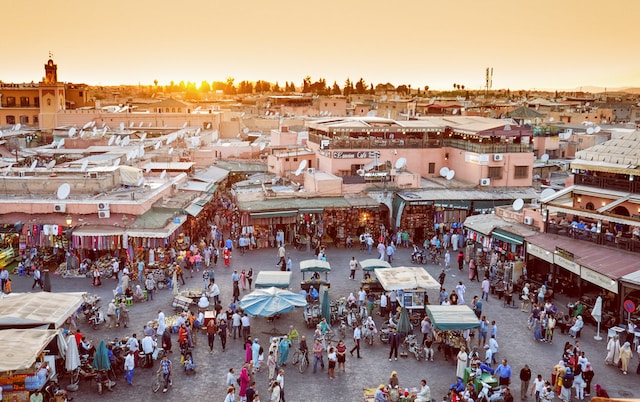
Yes, Morocco is still among the safest and most stable places in North Africa. Standard precautions do apply — such as watching your valuables at crowded markets like Jemaa el-Fnaa. When you book with a professional agency like Morocco Desert Tour, you have an additional layer of security since your local drivers and guides escort the medinas and desert routes.
Q3: When is the most ideal time to go?
Spring (March to May) and Autumn (September to November) are the best times, the so-called shoulder seasons. The weather is comfortable throughout the country during these months — never too hot in the Sahara and not too cold in the Atlas Mountains.
Q4: Should you book a Sahara Desert Tour with a guide?
Absolutely. Journeying on the sand dunes of Erg Chebbi or Merzouga demands expert knowledge and specialized 4 × 4 vehicles. Morocco Desert Tour has several all-inclusive packages that include camel treks, traditional Berber music around the campfire, and luxury desert tent stays, taking the logistics-based stress out of the equation.
Q5: Is it possible to tailor my itinerary?
Many travelers wonder whether they can combine cities like Chefchaouen with a desert excursion. Local companies such as Morocco Desert Tour do this well; you can begin in Tangier, visit the “Blue Pearl,” tour the imperial cities of Fes and Meknes, then end your trip in the Sahara or Marrakech.
You can get your customized quote and tour itineraries by contacting Morocco Desert Tour at moroccodeserttour@gmail.com or on WhatsApp at +212 667 291025.