

The very moment when the The hiking in Morocco Atlas Mountains is really magical is the one when it is approximately 6:00 AM, and the first light begins to reach the limestone ridges of the High Atlas and turn the jagged mountains into the silhouette of burnt orange and violet. It is cool and dry, with an odor slightly of wild juniper–a sharp antithesis of the wet, spicy heat of the Marrakech medina you have been packing out of but a few hours past.
Are you an aspiring mountaineer who wants to hike all the way to the top of Jebel Toubkal or a life-long wanderer wanting to explore the green shores of the Ourika Valley, this guide offers the first-hand skills and logistical plans required to make this Moroccan journey complete.
Why Visit the Atlas Mountains on your Next Hiking?
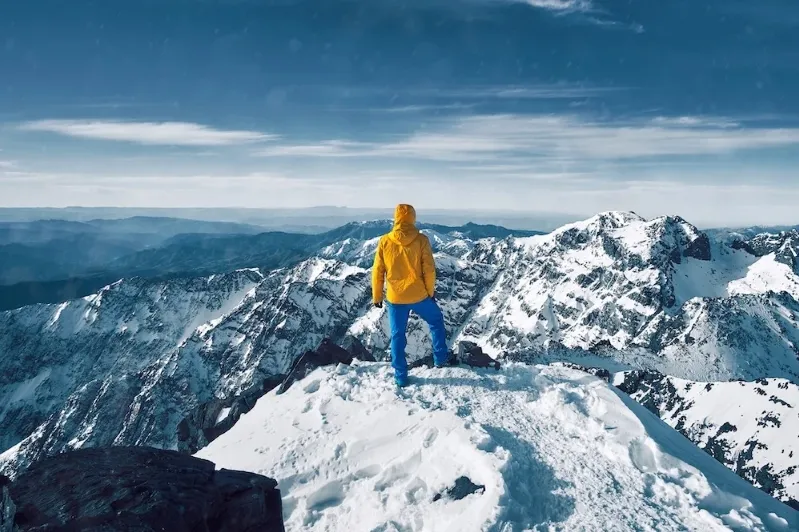
It is not only a geological line, the Atlas range is a cultural refuge. Hiking in Atlas Mountains of Morocco is a living history experience unlike most of European ranges. You are not only going along the paths but the terraced fields of the Amazigh (Berber) villages that have been left relatively untouched over the centuries.
On my last mission, we passed through a mule train that was transporting provisions to an isolated village close to Imlil. The local community which is this resilient with the dramatic verticality of the landscape itself is the source of a trekking environment that is spiritually rewarding as it is taxing physically.
Top Trails for Hiking in the High Atlas Mountains of Morocco
The Mount Toubkal Summit (4,167m)

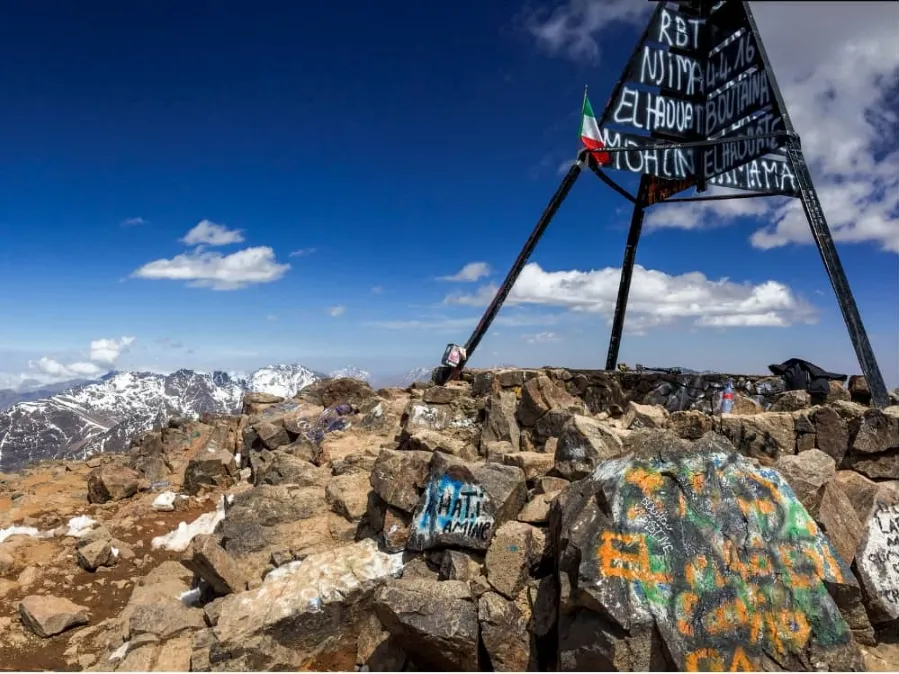
Toubkal is a mountain peak located in North Africa, which is mainly the main attraction to the Moroccan Atlas Mountains in hiking. The majority of the treks begin at the village of Imlil. The road will take you past the shrine of Sidi Chamharouch and then upwards by an extremely sharp incline. The last mountain ascent is a battle of determination and yet the view of the Anti-Atlas and the shimmer of the morocco sahara tour is an experience that one will not forget.
Additional Tour Options:
classic morocco tour
north south tour
atlantic coast desert tour
The M’Goun Traverse

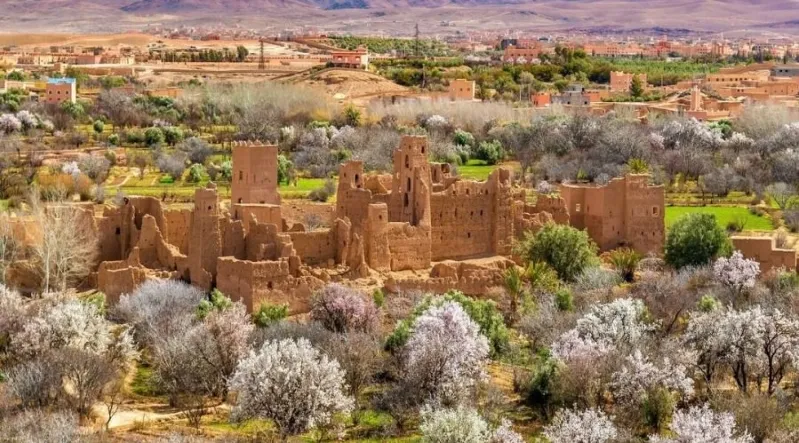
To have a more bizarre experience, the M’Goun Massif has wilder landscapes. In this case the experience is hiking in Atlas Mountains Morocco where it is possible to wade through the deep canyons of the river Achabou Gorges and cross through the high plateaus where nomad shepherds continue to herd their livestock throughout the summer.
Ourika Valley Foothills
When you do not want to see the same location on many many-days trip, explore the local trails of Setti Fatma that offer green landscape and breathtaking falls without having to carry heavy equipment. It is an ideal starting point of the geography of the region.
From Mountain Peaks to Desert Dunes
- It turns out that the ideal trip to Morocco does not conclude at the foot of the mountain by many travelers. The final experience to enjoy the diversity of Morocco is to make the switch after the physical effort of the climb to one of the numerous Morocco desert tours.
- Another plan is to travel down the mountains and south towards the Draa Valley. It is easy to combine your trek with a Marrakech to Fes desert morocco tour that will pass by the Dades Valley and lead up the great sand dunes of Erg Chebbi. Viewing Saharan sunset following an entire week in the highlands is a great deal of perspective that can be hard to find in other traveling experiences.
Logistics and Preparation
- When: The most appropriate time to hike the High Atlas Mountains in Morocco is in late spring (April to June) or early autumn (September to October).
- Safety & Guides: Since 2018, the international hikers in the Toubkal National Park are required to be accompanied by a licensed local guide. This helps in boosting the local economy and keeping your safety on technical parts.
- • Equipment: It may even get below 0degree C even when it is hot. Layers of packs, trekking boots of high quality and a good headlamp.
Frequently Asked Questions (FAQ)
How difficult is hiking in Morocco Atlas Mountains?
It is an easy valley walk to a Grade 1 hard scramble. Most multi-day treks have a moderate fitness level.
Is it possible to scale the Atlas Mountains during winter?
Yes, but it demands technical equipments such as crampons and ice axes, and winter mountaineering experience.
Am I required to have a permit on the high Atlas?
There is no formal permit that you need, but you are required to checkpoints along the way where you need to make registration with the local authorities (which is usually done by your guide).
How accommodating is it?
You will normally spend your night in the village homestays (Gites) or mountain shelters. Also, they are simple yet clean, and serve hot mint tea and filling tajines.
Is the water safe to drink?
No. You should use a filtration system like LifeStraw or purification tablets for any water sourced from mountain springs.
How do I get to the trailhead from Marrakech?
Most treks begin in Imlil, which is a 90-minute drive from the city. Private transfers or “Grand Taxis” are the most common transport.
Can I combine a hike with a moroccan desert trips?
Absolutely. There are numerous agencies that promise a desert journey that will be between Marrakech and Fes, which will visit the mountains.
What is the average altitude?
The treks normally occur between 1, 500m to 4,000m. There is a risk of altitude sickness and hence acclimatization is important.
Do you have pack animals?
Yes, the mules are the trucks of the Atlas. Also, they transport your bulky equipment, which means that you can only carry a daypack.
What is the tipping amount of the mountain crew?
Tipping is a custom of the Moroccan culture. It is a general rule to pay 10-15 percent of the entire trek price among guides, cooks, and muleteers.
Final Thoughts
Whether you are planning a tour from Fes to Marrakech or a dedicated summit expedition, hiking in Morocco Atlas Mountains is a transformative experience. It is a place where the pace of life slows down to the rhythm of your own footsteps and the hospitality of the Berber people makes you feel at home in one of the most rugged landscapes on earth.
Meet the Expert
Authored by Mohammed, a certified mountain guide with over 12 years of experience leading expeditions across the High Atlas. Omar has summited Toubkal over 200 times and is a specialist in Morocco sahara desert tours, helping travelers bridge the gap between the peaks and the dunes.
