

To the most, the dream of North Africa is characterized by dunes of gold, but the beauty of the Maghreb is in the clouds. The Moroccan Atlas Mountains trekking is a captivating experience of escaping into a world of the ancient Berber villages, jagged limestone peaks, and walnut-colored valleys that have never seen the 21 st century.
Be it the snowy top of Mount Toubkal you are looking to explore or a cultural trekking in Morocco Atlas Mountains, this guide will offer the experience on the ground to design a life changing experience.
The Atlas Mountains Should Be your next Adventure
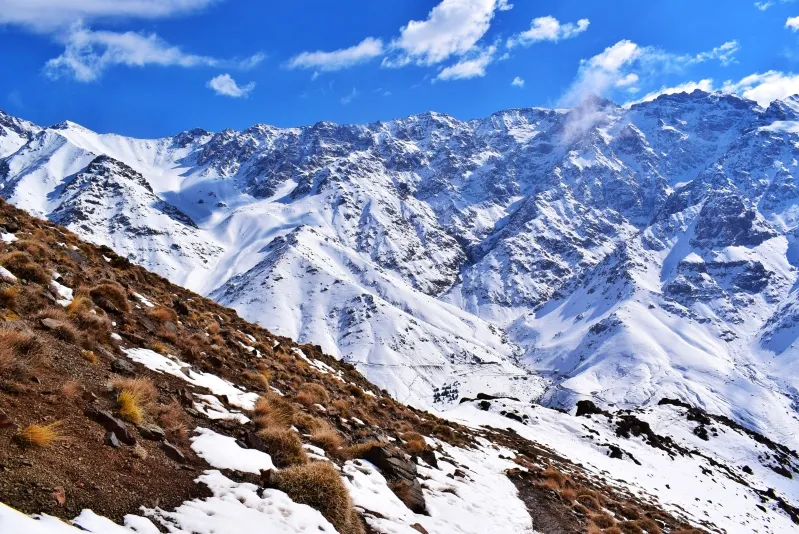
The Atlas chain serves as a boundary between the Mediterranean Sea and Atlantic Sea and the large Sahara Desert, in Morocco.Also the Atlas provides a living landscape as opposed to the Alps or the Rockies. It is not a hike through a national park but a walk through the backyards of native Amazigh (Berber) slopes inhabitants who have been tilling these terraces since time immemorial.
The first thing that I saw when I first stood on the pass of Tizi n’Test at daybreak was a patchwork of green barley and terracotta coloured houses in the valley below. It was not just fresh air but had the scent of wild thyme and woodsmoke, a scent mark that cannot be discovered elsewhere.
Top Routes for Trekking in Morocco Atlas Mountains
1. Mount Toubkal Ascent (2-3 Days)
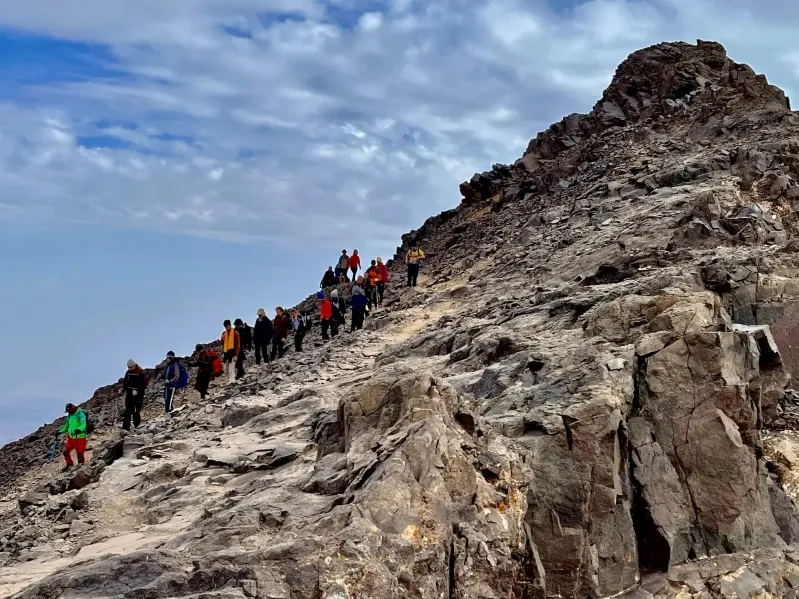
Being the highest mountain in North Africa, Toubkal is the highest mountain with an elevation of 4,167 meters and major tourist attraction among hikers. Beginning at the village of Imlil, the path cuts through the shrine of Sidi Chamharouch and then turns into mountain shelters. It is a sharp, loose-stone ascent, but to be up on top when the sun is rising over the Anti-Atlas is spiritual.
Explore More Tours:
2. The M’Goun Valley and Central Atlas 5-6 days
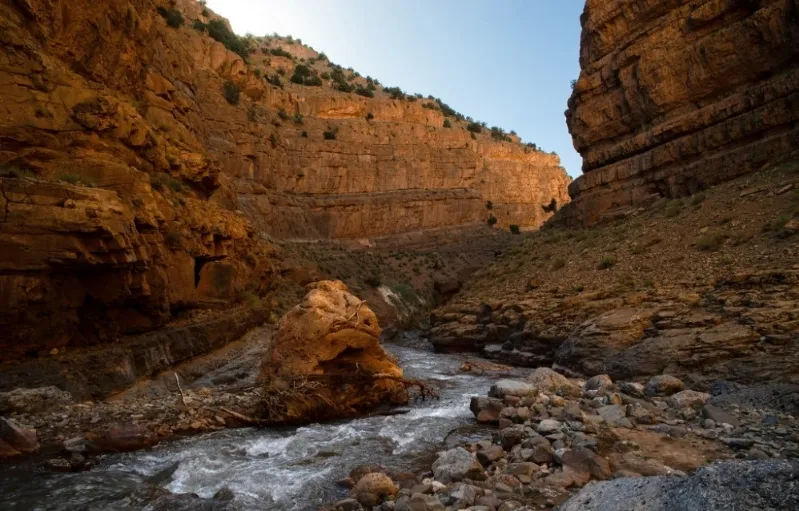
When you do not want to be in the middle of the crowd in Toubkal, you can go to the M’Goun Massif. It boasts of dramatic rocky structures which resemble cathedrals and deep river canyons. You will pass often enough through knee-deep water in the Achabou Gorges, a cool relief after the arid ridges.
3. Ourika Valley (Day Trips and Short Treks)
This location is ideal both to families or people who lack time. It provides greenery and waterfalls which are easily accessible in Marrakech.
From Peaks to Sands: Connecting Your Journey
Most travelers find that the perfect Moroccan itinerary balances the ruggedness of the mountains with the serenity of the desert. After a strenuous week of trekking in Morocco Atlas Mountains, descending toward the south is the natural progression.
Many hikers transition into Morocco desert tours to experience the stark beauty of the Sahara. A popular route is the Marrakech to Fes desert tour, which takes you through the Dadès Valley and the Todra Gorge—spectacular geological wonders that bridge the gap between high-altitude trekking and the dunes of Erg Chebbi.
Essential Gear and Preparation
- Footwear: Broken-in, waterproof hiking boots are non-negotiable. The terrain is rocky and unforgiving.
- Layers: Temperature swings are radical. It can be 25°C in the valley and -5°C at the summit.
- Hydration: Use a filtration system like LifeStraw or purification tablets to stay safe while minimizing plastic waste.
- Local Guides: While some trails are marked, hiring a local Berber guide is the best way to ensure safety and gain cultural insight that no guidebook can provide.
Cultural Etiquette in the High Atlas
The Berber people are legendary for their hospitality. If you are invited for mint tea (the “Berber Whiskey”), it is polite to accept. Remember to:
- Always ask before taking photos of locals.
- Dress modestly when passing through villages (cover shoulders and knees).
- Learn a few words of Tashelhit (the local language); a simple “Tanmirt” (Thank you) goes a long way.
Planning Your Arrival and Beyond
Most adventures begin in Marrakech. If you are arriving during the winter holidays, consider booking new year vacations in Morocco early, as both mountain lodges and desert camps fill up months in advance.
For those heading north after their trek, a tour from Fes to Marrakech allows you to see the Middle Atlas range, known for its cedar forests and Barbary macaques, ensuring you see every facet of Morocco’s diverse topography.
Frequently Asked Questions (FAQ)
1. When is the best time for trekking in Morocco Atlas Mountains?
The most comfortable weather is during spring (April to June) and Autumn (September to October). Summer is the season to please in climbing high peaks but it is quite hot in the valleys.
2. Should I have any permit to visit Mount Toubkal?
No permit is required, although since 2018, foreigners are required to hire a local guide who is licensed to guide them on a hike in Toubkal National Park.
3. Is altitude sickness a risk?
Yes, especially on Toubkal. Slowly climb and take in plenty water and pay attention to the body.
4. Is it possible to walk the Atlas Mountains during winter?
Yes, however it becomes more of a technical mountaineering expedition Crampons, ice axes and experience of very cold weather are required.
5. Are electronics charging stations available?
Solar panels or generators are normally visible in the refuge and homestay, though it is always a good idea to carry a portable power bank.
6. What is a ‘Gite’?
A Gite is a local homestay. It is plain and neat and has a bed, hot shower and extremely good Moroccan tajine made at home.
7. The difficulty of the trekking?
Trekking may be a simple walk, such as one in a valley, or difficult, such as a Grade 1 scramble. It has a way up any fitness level.
8. Is it safe as a single female trekker?
It is generally safe, however, a guide or a group is preferred because of safety and assistance in culture.
9. Will I not see the Sahara on the summit of the Atlas?
When the sky is bare, you can view the Sahara whilst on the summit of Toubkal.
10. How do I get to the trailhead?
Imlil is a 90-minute trip out of Marrakech. The normal mode of transport is by grand taxis.
Final Thoughts
Trekking in Morocco Atlas Mountains is more than a physical challenge; it’s a rhythmic journey that syncs your heartbeat to the pace of a mule train. From the jagged heights of the High Atlas to the sweeping Morocco sahara desert tours, this landscape promises a profound sense of peace.
Meet the Expert
Authored by Mohammed, a mountain enthusiast and travel strategist who has spent over 15 years navigating the ridges of the High Atlas and organizing sustainable desert tours in Morocco. His mission is to connect travelers with the authentic soul of Berber culture.
